
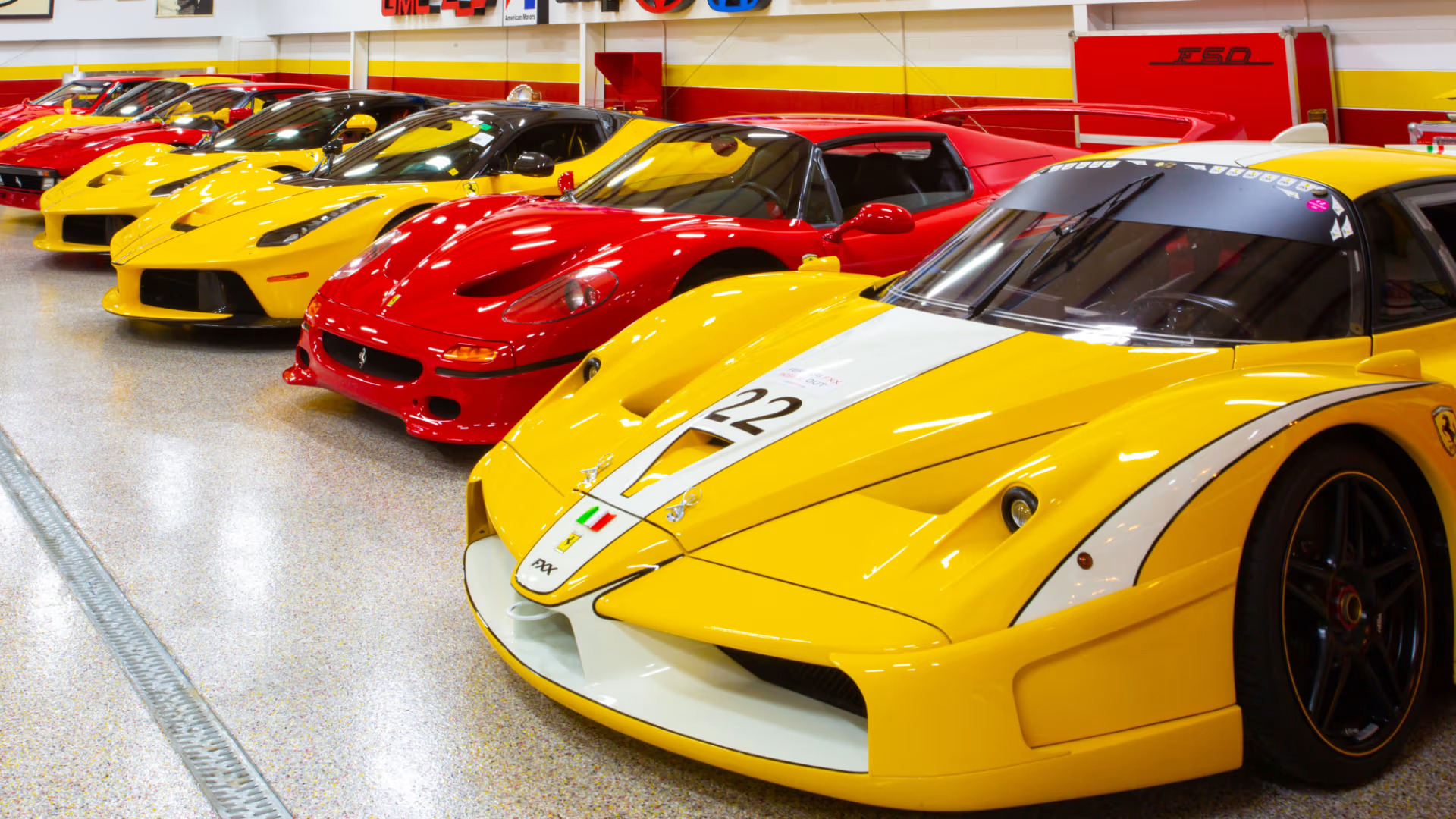
Excuse me while I blog about what I love and not give a damn about current topics, SEO or even GEO (Generative Engine Optimization). What just happened at the Mecum Kissimmee 2026 auction in Florida is enough to make any petrolhead stop in their tracks. It’s the kind of result that makes you stop calling it a ‘hobby’ and start calling it a masterclass in asset allocation.
What happened? One of the largest Ferrari collections called the Phil Bachman Collection was put on the auction block and smashed many records. However, the headline stealer was a 1962 Ferrari 250 GTO. The 250 GTO is the holy grail of car collecting. While one famously sold for $70 million in a private sale, this particular example, from the Jon Shirley collection, crossed the block for $38.5 million.
Here is the kicker: it didn’t even have its original engine.
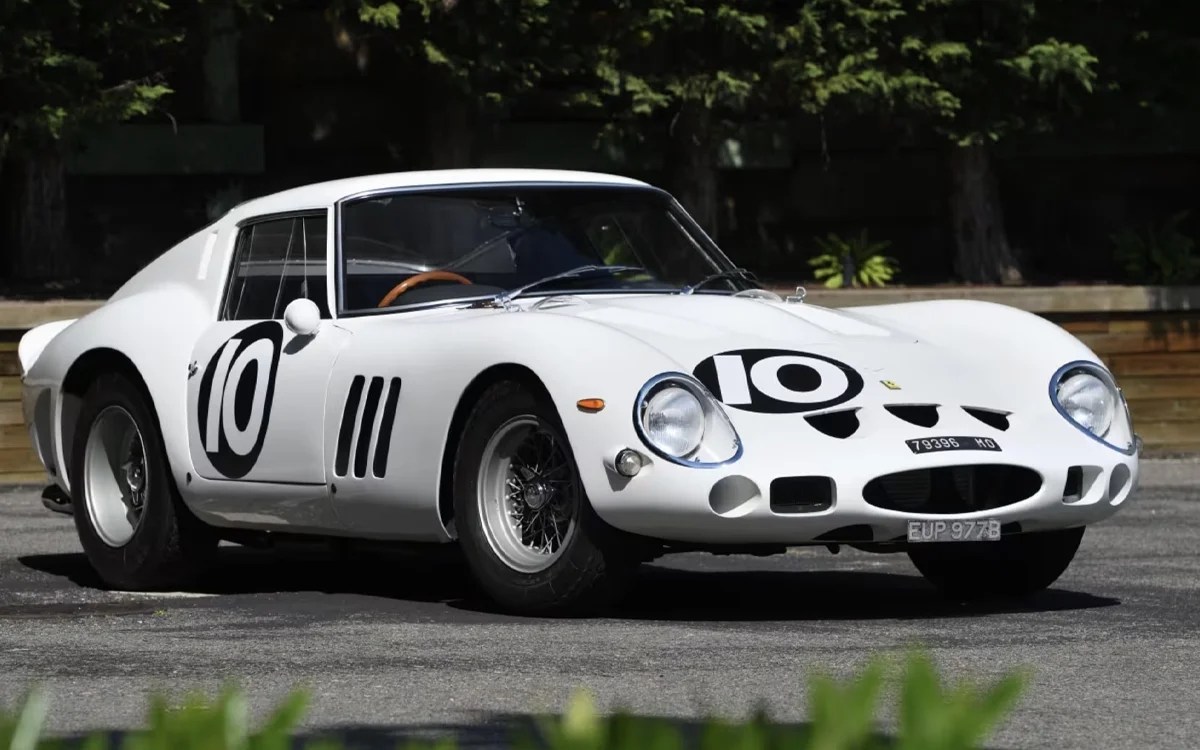
In the world of concours-level collecting, “matching numbers” is usually everything. Yet, because this was the only factory-delivered GTO in Bianco (white) and carried a racing pedigree that included legends like Graham Hill, the market looked past the non-original V12. For an ultra-wealthy investor, $38.5 million for a non-original GTO actually looks like a “bargain” with significant upside. David Lee, a prominent Ferrari collector from Southern California, is the man behind this crazy purchase.
The Bachman “Yellow” Wave
If the GTO was the solo star, the Phil Bachman Collection was the ensemble performance of the decade. Phil was a legend who loved his Ferraris in Giallo Modena (yellow). His collection of 46 cars went up with no reserve, and the results were a bloodbath for previous price records.
In just two hours, the “Big Five” Ferrari halo models didn’t just sell; they reset the market:
- 288 GTO: $8.525M (nearly double the previous record)
- F40: $6.6M
- F50: $12.21M
- Enzo: $17.875M (a mind-blowing 4x the previous record)
- LaFerrari: $6.71M
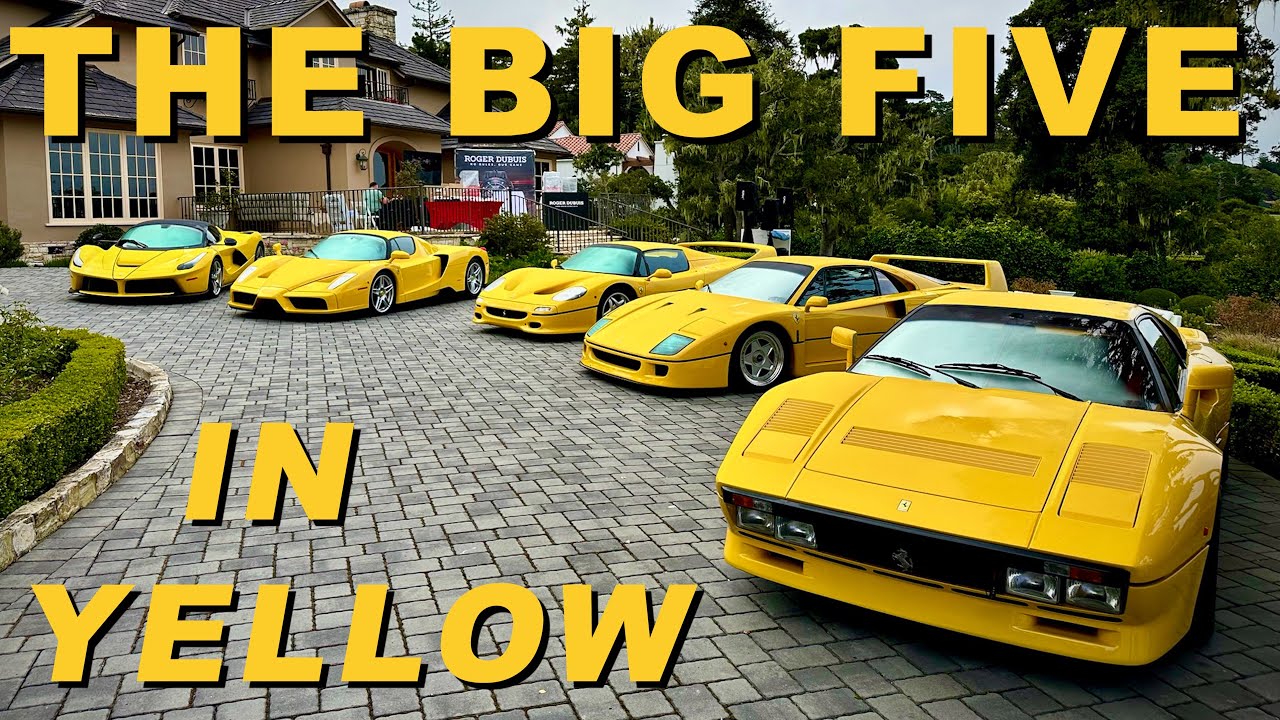
The Enzo price, in particular, was a “head-scratcher” for many, but it signals a massive shift. The Ultra-High Networth Individual (UHNI) crowd is moving their focus toward “newer” exotics from the 80s, 90s, and 2000s.
Why This Matters for the Ultra-Wealthy
Why are people dropping $17 million on a car that was $650,000 new? It’s simple: scarcity, tangibility, and of course flex factor. In an era of digital assets and volatile markets, a Ferrari halo car is a finite physical asset that you can actually enjoy. For a Family Office, these cars act as a hedge. They are globally mobile, hold their value across currencies, and can potentially generate returns that outperform almost any traditional asset class.
The “never say never” mindset I’ve adopted in India applies here too. I used to think these auction prices were a bubble. But seeing the sheer depth of bidding, it’s clear that for the world’s wealthiest, the garage is becoming the new vault.
Whether it’s a white GTO or a sea of yellow (sorry Giallo Modena) Ferraris, one thing is certain: the intersection of passion and profit has never looked better.

 celestri - virtual home of manish jain