
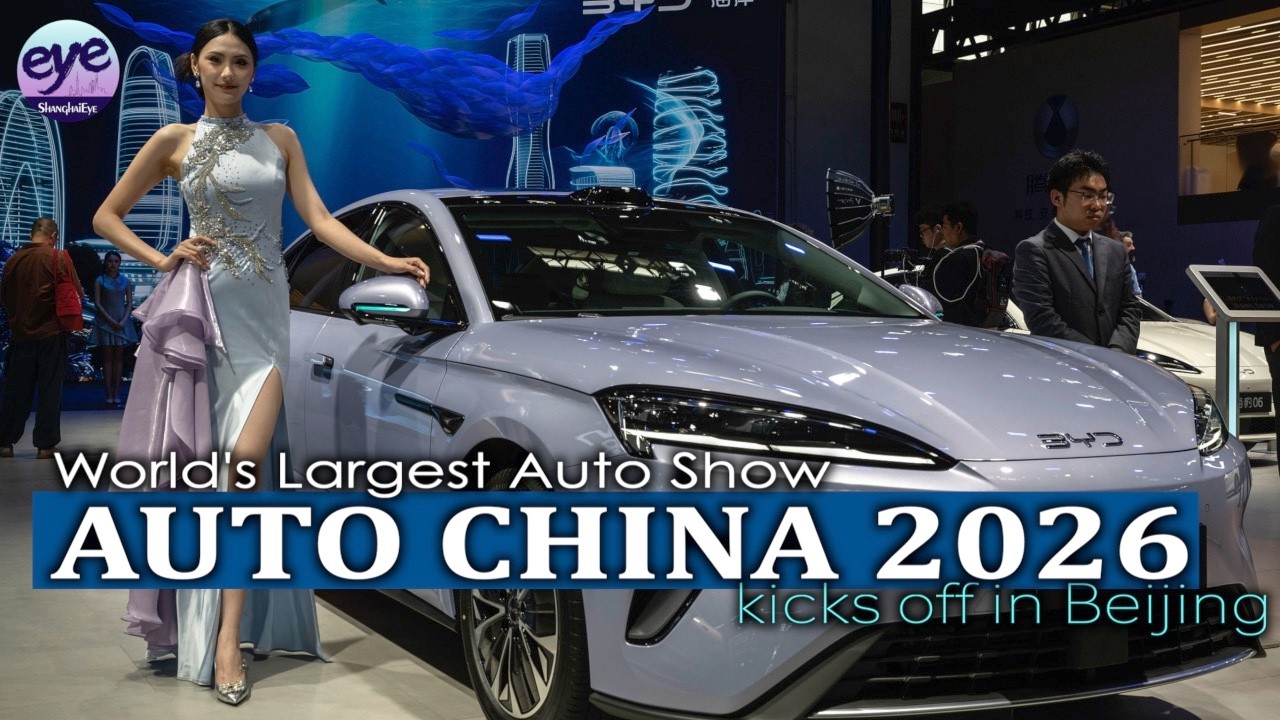
If you have been paying attention to the auto world the last few years, you already know the centre of gravity is shifting east. The Beijing Auto Show last month made it official.
For a while now, the conventional wisdom has been that car shows are dying. Detroit collapsed. Frankfurt is a shadow of what it used to be. Geneva got cancelled multiple times. The narrative was that nobody cares about car shows anymore, that everyone reveals new cars on YouTube, and that the whole format is finished.
That narrative is wrong. Or to be more precise, it is wrong about Asia.
Beijing by the numbers
Auto China 2026 was not a car show. It was a statement.
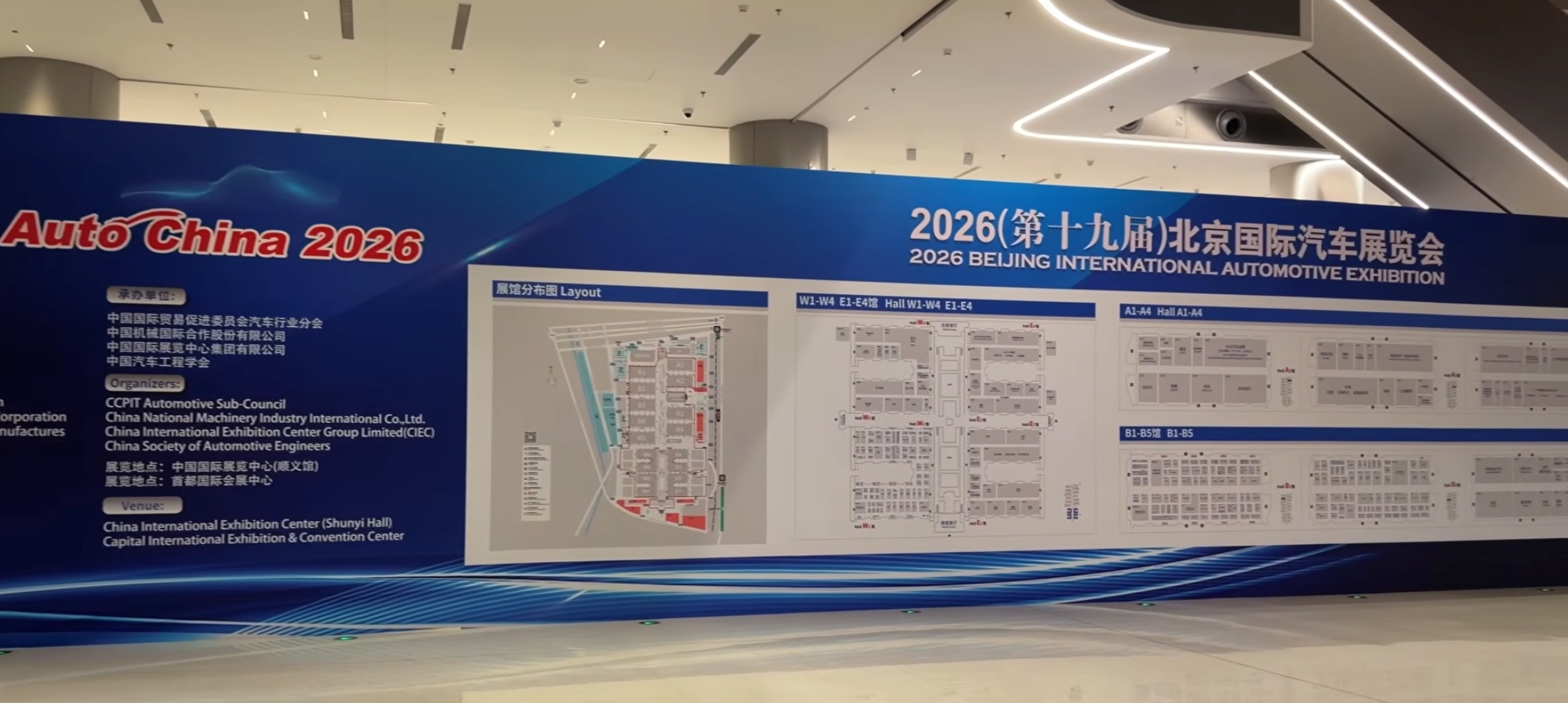
- 380,000 square metres of exhibition space across two venues. Roughly the size of 50 football pitches. That is roughly 4 million square feet…WTF.
- 1,451 vehicles on display.
- 181 world premieres.
- Over 80% of the cars shown were new energy vehicles.
It is now officially the largest auto show on the planet, and it is not even close. Here is the part that really hits you. In a single hall at the show, there were more EV models than the entire United States offers across its market. There are seventeen halls.
So how many EV brands does China actually have?
Estimates put it at roughly 500 carmakers that have entered the EV space at some point. The market is now consolidating, but even after the shakeout, the field still dwarfs anything in the West.
A partial list of names you should probably start learning:
- BYD
- Geely
- Xpeng
- Nio
- Li Auto
- Zeekr
- Xiaomi
- Huawei
- Chery
- GAC
And the list keeps going.
A few things from the show that genuinely surprised me
- BYD demonstrated charging from 10% to 97% in nine minutes. Tesla still has not matched this.
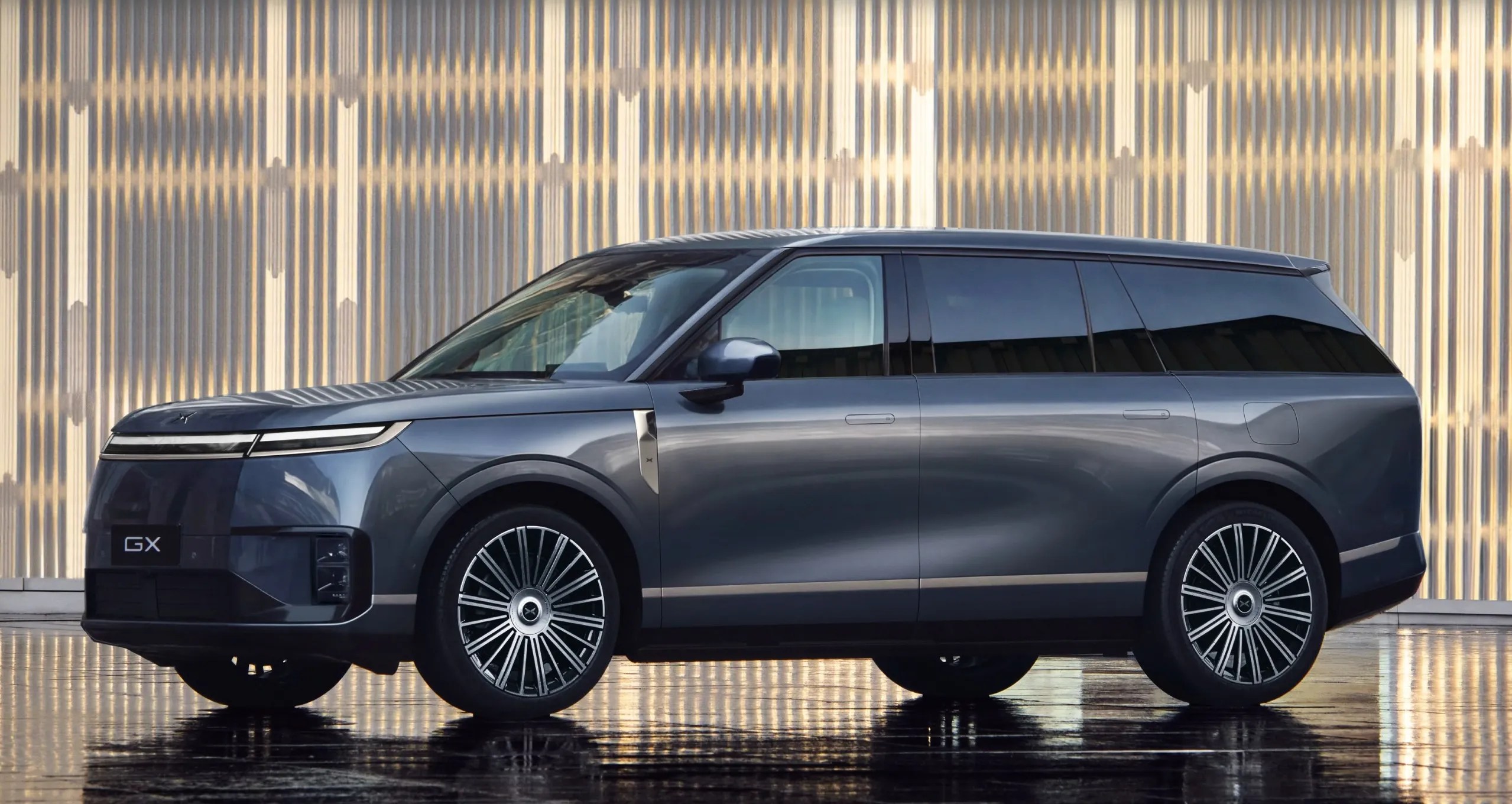
- Xpeng unveiled the GX flagship SUV with 750 km range and Level 4 autonomous-ready hardware for $58,000. That is about Rs. 50 lakhs. Try finding anything close to that in the Indian or American market.
- Xiaomi, the phone company, now has a humanoid robot working in its EV factory and brought a Vision GT supercar concept to Beijing. The lines between phone, car, and robot are blurring fast.
Why China is dominating EVs
Three reasons in my mind.
- Vertical integration. BYD makes its own batteries, its own chips, and its own software. Most Chinese EV makers control their stack end to end. That keeps costs low and product cycles short.
- Batteries. China owns the global battery supply chain. CATL and BYD alone account for the majority of EV batteries shipped worldwide. When you control the most expensive component in the car, you control the economics of the whole industry.
- Sheer competitive intensity. With 500 brands fighting for survival, the pace of innovation is brutal. The ones still standing are forced to ship better cars faster than anyone else on earth.
We have seen this movie before
Here is the part most people in the West are missing. We have lived through this exact pattern twice already.
- In the 1970s, Japanese cars were dismissed as cheap, tinny, throwaway boxes. American executives laughed at Toyota and Honda. Then Toyota quietly went on to become the most valuable automaker in the world, and Lexus rewrote the definition of luxury and reliability.
- In the 1990s, Korean cars were the punchline. Hyundai was a joke. People bought a Hyundai because they could not afford anything else. Today the Hyundai Ioniq 5 wins international Car of the Year awards, and Kia is one of the most respected design houses on the planet.
- Even Elon Musk fell for this trap. In a 2011 Bloomberg interview, when asked if BYD could ever compete with Tesla, he laughed out loud on camera. He literally asked the reporter, “have you seen their car?” and dismissed the technology as not very strong.
- Fast forward to January 2024. Same Elon, on a Tesla earnings call, telling investors that Chinese EV makers will “pretty much demolish” most other car companies in the world without trade barriers.
That is the arc. Every single time. Dismiss, underestimate, then watch them eat your lunch.
The comfortable narrative is running out
The West still likes to tell itself that Chinese EVs are cheap and unsophisticated. That comfort is running out fast. The cars are no longer cheap. They are no longer unsophisticated. And the next decade of automotive history is going to be written in Mandarin.


