
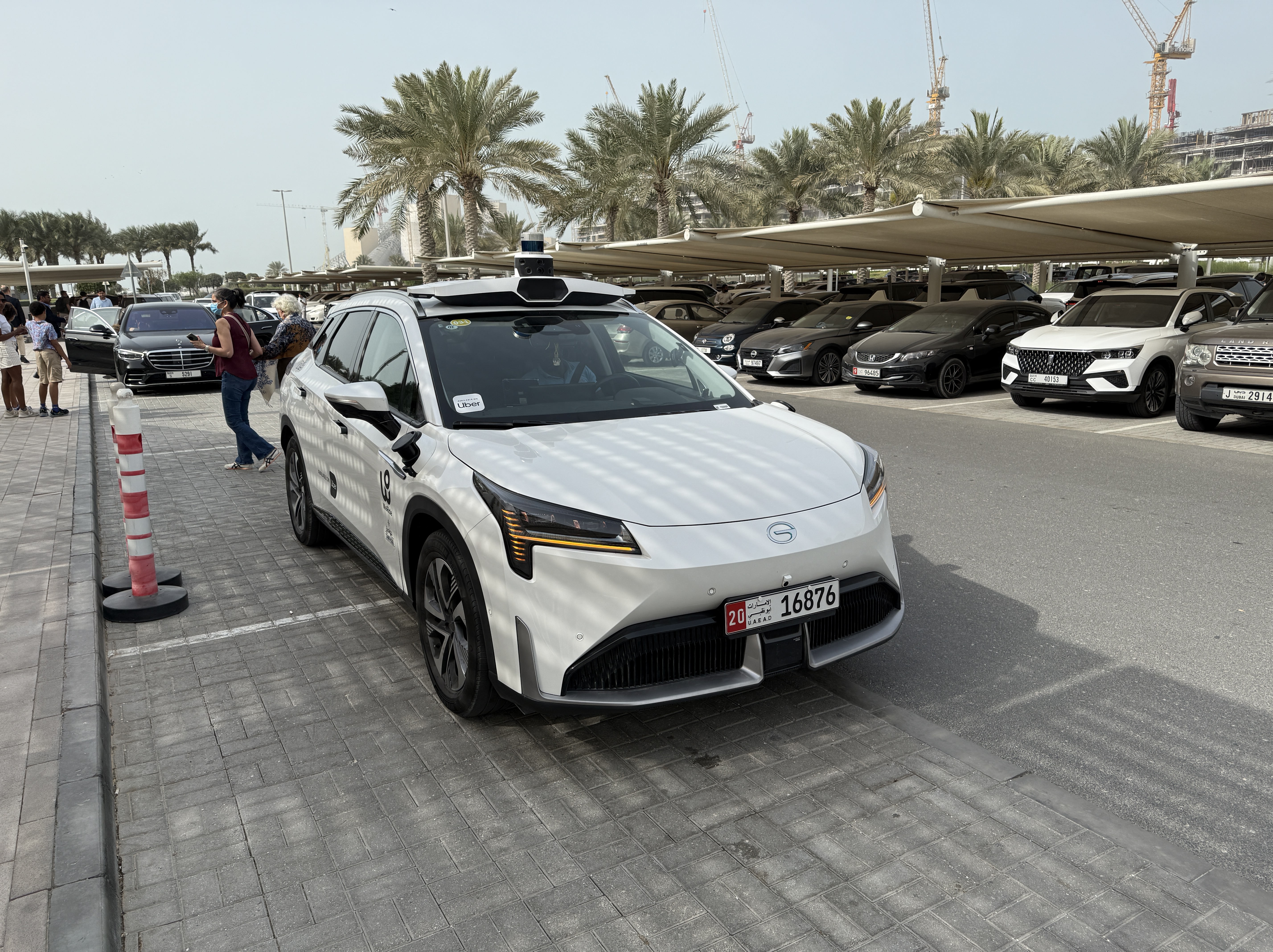
A couple of weeks ago, our family took a trip to Abu Dhabi for the first time, and we found ourselves using Uber to get around the city. After lunch one afternoon, I launched the Uber app and requested a car. Within two minutes, a notification popped up informing me that the allocated vehicle was an autonomous taxi and asked if I was okay with that. Without hesitation, I pressed “Yes,” and that was the beginning of a journey that turned out to be a true “aha” moment.
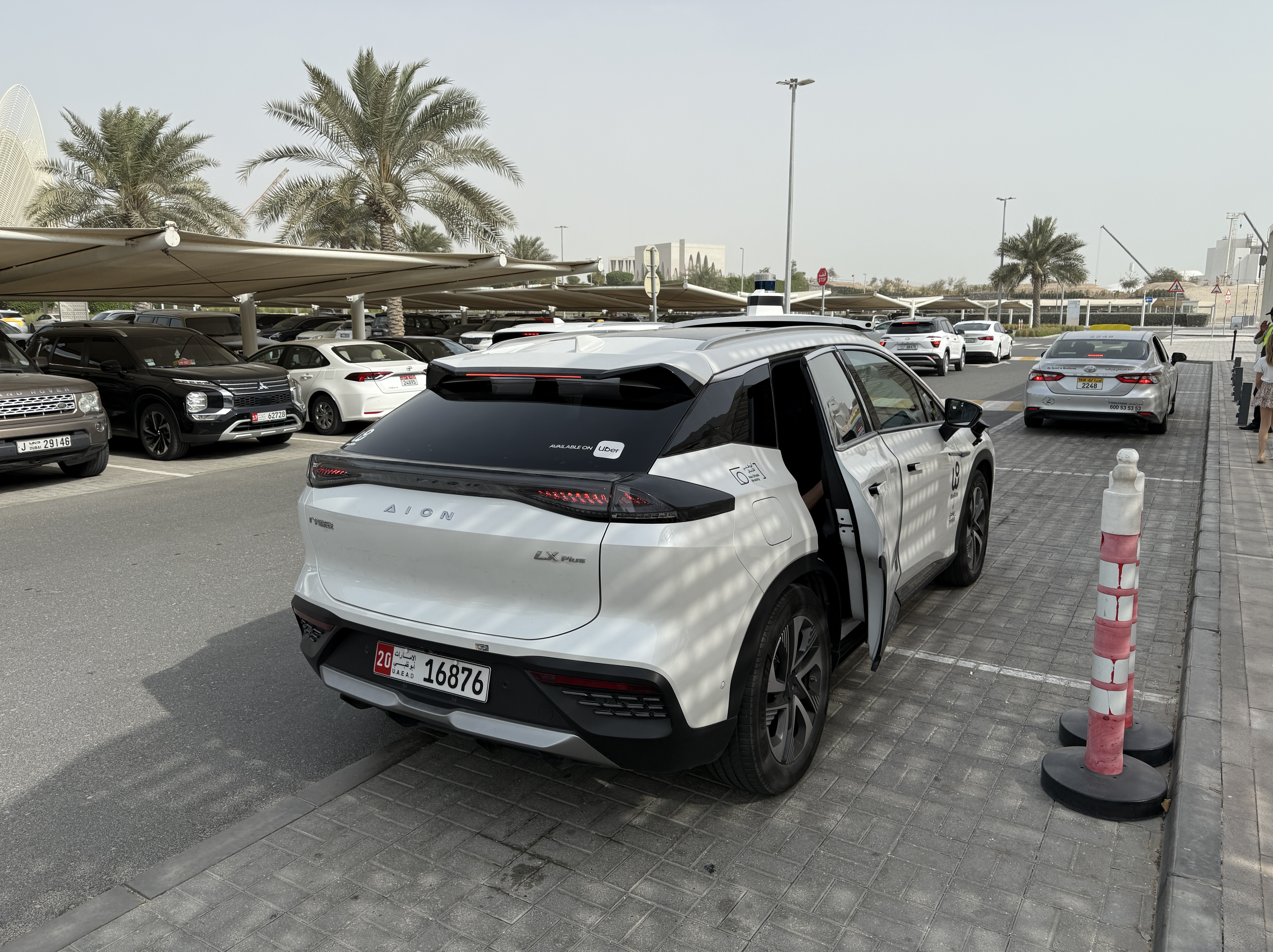
A sleek vehicle from GAC Aion, a Chinese EV brand, drove up. The car was equipped with an array of cameras and LIDAR sensors. GAC Aion has partnered with WeRide, a company that provides autonomous driving technology. In turn, WeRide has collaborated with Uber to introduce these autonomous vehicles to the UAE market—initially starting with Abu Dhabi.
As I stepped into the car, I noticed an observer sitting in the driver’s seat. However, he did not touch the pedals or the steering wheel throughout the journey. I assume that in 2-3 years, even this role will become redundant as the system continues to evolve. The ride was remarkably smooth, transitioning effortlessly from city streets to highways and back without any hiccups. Granted, Abu Dhabi isn’t as crowded as other major cities, but I believe it’s the perfect training ground to refine the AI models that power these autonomous systems.
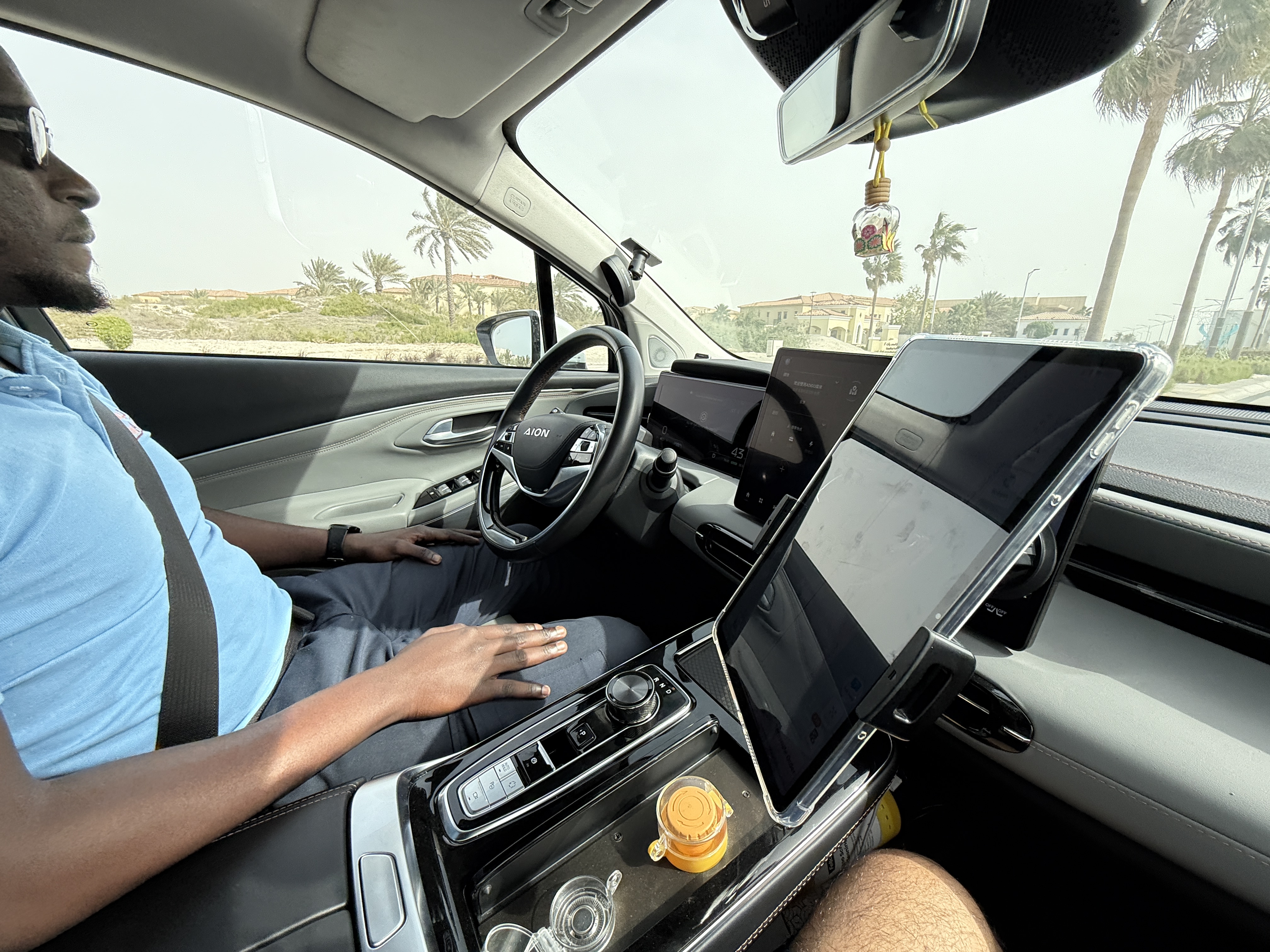
One of the most striking aspects of the ride was the smooth acceleration and gradual braking, a welcome change from the usual Uber/Ola experience, where some drivers seem to think every passenger pickup is an F1 qualifying lap! The precision and control of the autonomous system provided a far more comfortable and enjoyable journey.
The Big Question: What About Jobs?
Of course, the rise of autonomous vehicles and AI inevitably raises concerns about job losses. Many worry that human drivers will be displaced as technology continues to advance. However, I believe that new opportunities will emerge in parallel. For instance, imagine fleets of autonomous vehicles operating at night, delivering goods from warehouse to warehouse, reducing the need for human drivers who would otherwise have to work irregular hours and disrupt their sleep schedules. This shift could create opportunities in vehicle maintenance, AI monitoring, and logistics management.
Rethinking the Future of Work
Interestingly, this experience made me reflect on my thoughts about the future of work. Over the past few months, I’ve been saying that coding jobs might be lost to AI copilots and full app-generation platforms like Lovable.dev. However, after witnessing the capabilities of OpenAI’s latest GPT-4o model, which includes advanced image creation, I’ve started to rethink that perspective. While some designers may find their roles evolving, I now believe that AI will empower more people to create high-quality designs without needing specialized skills. Anyone can now describe or type what they want, and within seconds, they get a visual output that they can either refine themselves or pass on to a professional designer for further enhancement.
The Road Ahead
Technology is changing faster than we ever imagined, and my ride in an autonomous Uber gave me a glimpse into a future where AI and automation work seamlessly alongside humans. Rather than fearing these advancements, I’m excited about the possibilities they unlock. You can either resist or embrace change.

 celestri - virtual home of manish jain