A steel baron’s son now runs a car company. That is not a coincidence, it is the whole point.
Before Harvard, Parth Jindal led the build of JSW’s first auto-grade steel plant at Vijaynagar, the first in India to make car body panels that Maruti and Hyundai had been importing from Korea and Japan. A decade later he is chairman of JSW MG Motor India, appointed on August 31, and the face of the group’s biggest consumer-facing bet.
Here is what Sajjan Jindal has stacked up since late 2023.
Bet 1: Buy in. JSW MG Motor India. The 2023 deal with SAIC gave JSW 35% at a valuation of about ₹10,000 crore (US$1.2 bn). SAIC is now selling JSW another 10%, taking it to 45% and making it the largest shareholder, with SAIC reinvesting ₹600 crore (US$63 mn) into the JV. Halol capacity goes from 1.1 lakh to 2.2 lakh units by January 2028. Windsor, Hector, Comet, Cyberster, M9, the new Hector Tomahawk PHEV, and four new models due in FY27.
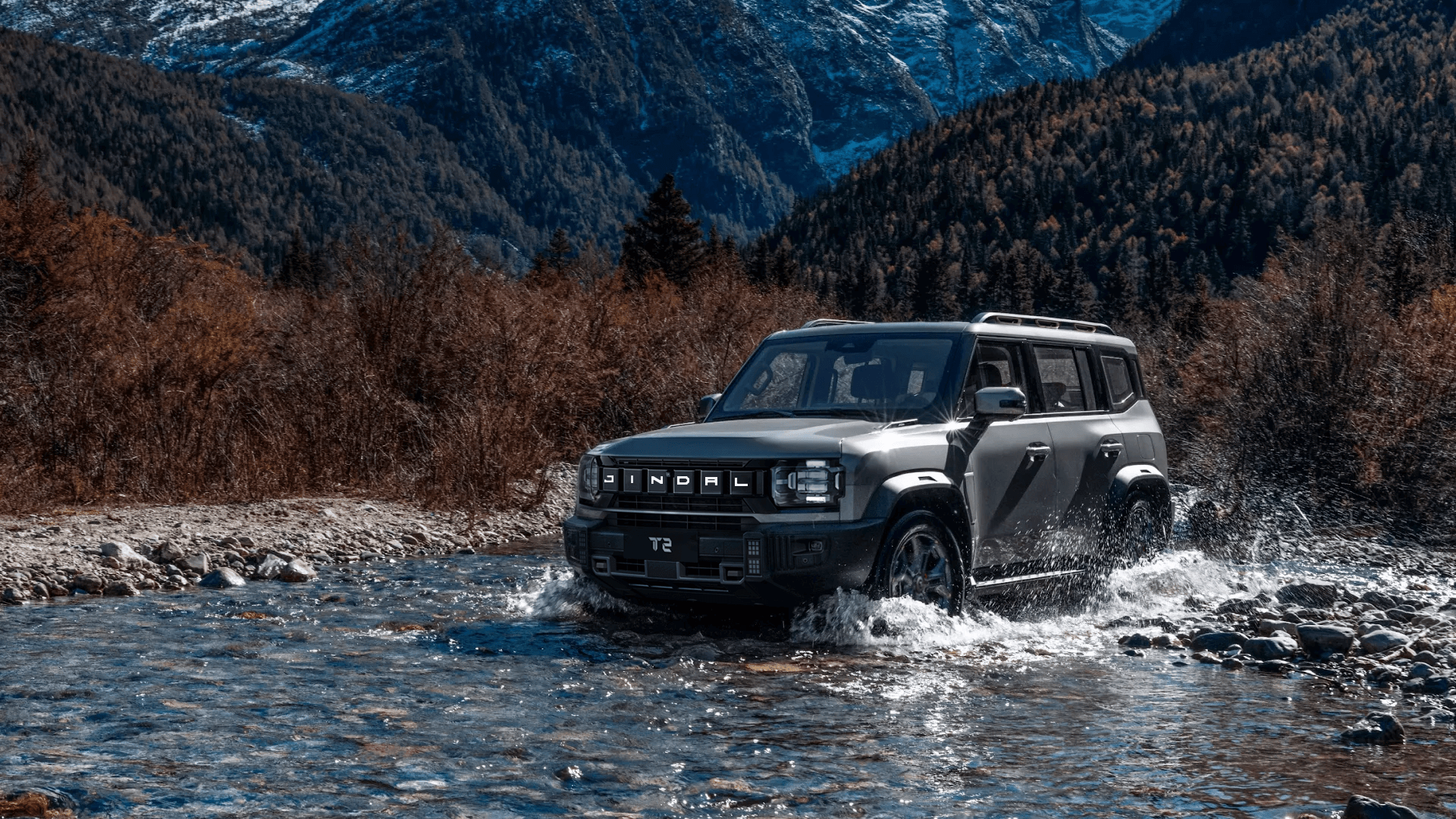
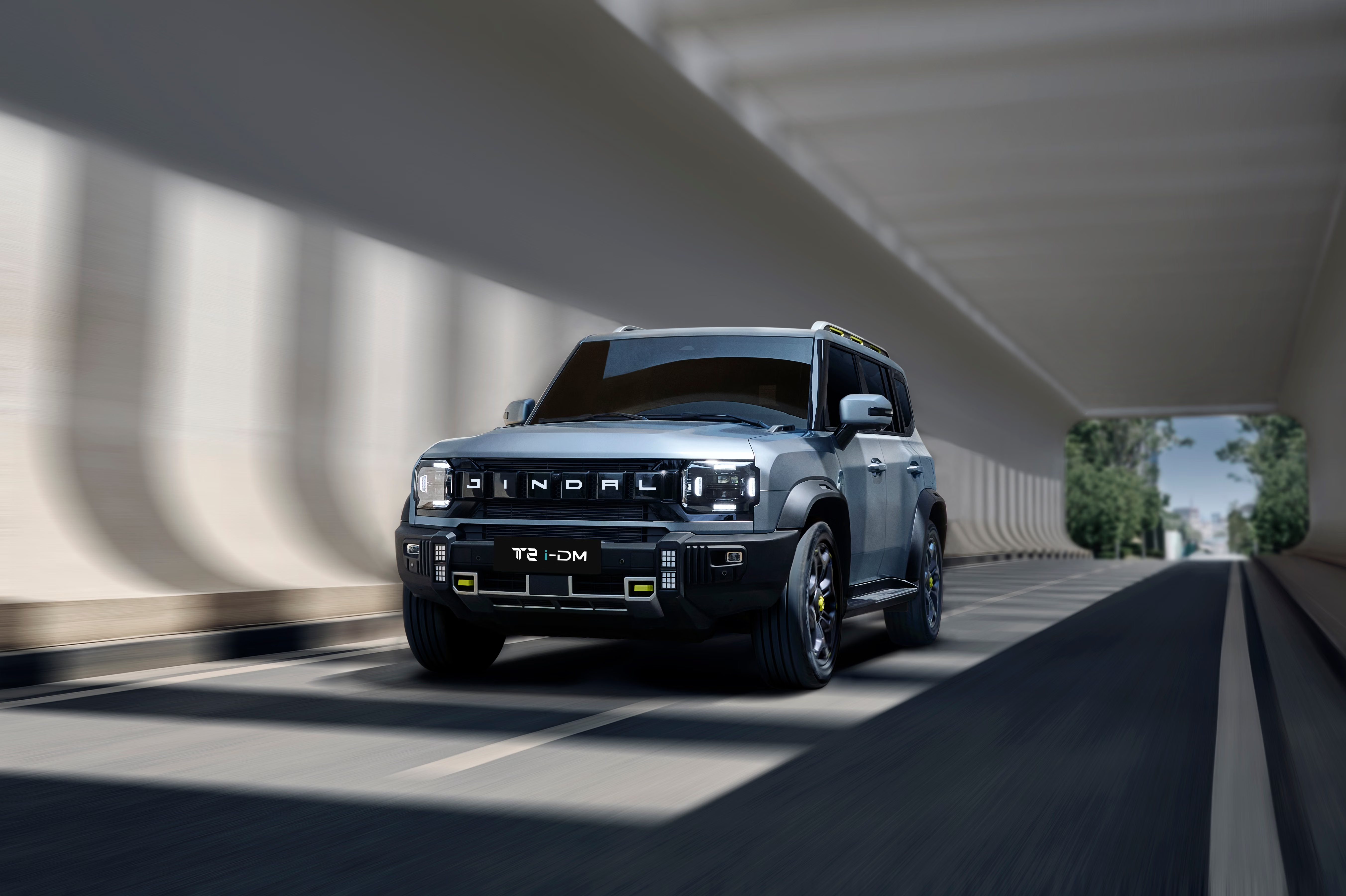
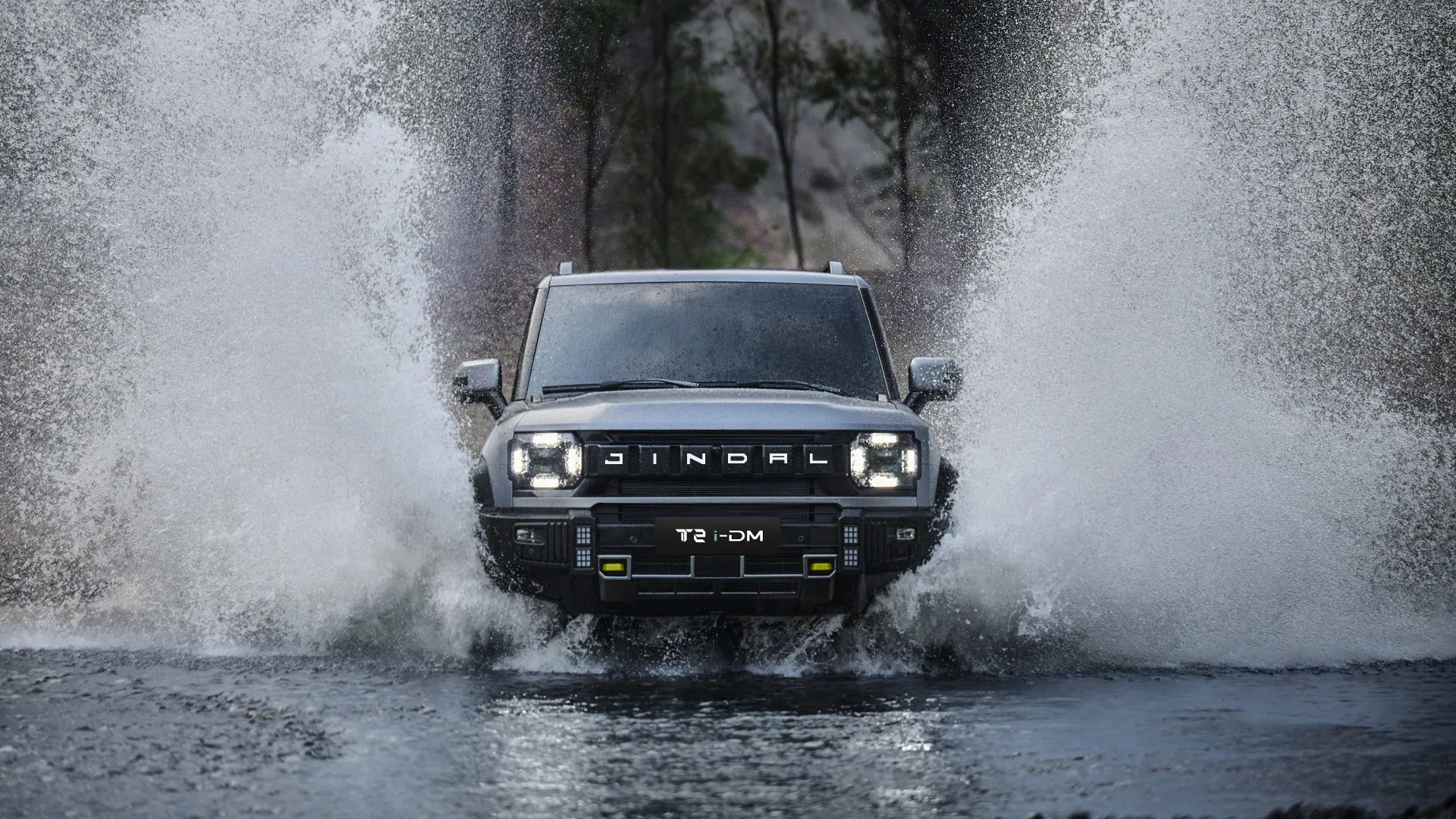
Bet 2: Build your own. JSW Motors. A fully owned brand with about ₹25,000 crore (US$3 bn) committed, an ₹8,000 crore (US$900 mn) funding line from SBI, technology licensed from Chery, and a 3.5 lakh unit plant at Chhatrapati Sambhaji Nagar. First car is a JSW-badged version of the Jetour T2 plug-in hybrid at around ₹30 – 50 lakhs, aimed squarely at the Fortuner. Brand launch around Diwali, sales from January, if the Chinese component approvals come through.
Bet 3: Take control. JSW and Skoda Volkswagen India. A non-binding MoU for a proposed 51:49 JV with JSW holding 51%. Two Maharashtra plants with roughly 4 lakh units of capacity running well below that. Binding agreement targeted by December. Sitting in the middle of the valuation talks is SAVWIPL’s customs dispute, with exposure being discussed at up to ₹20,000 crore (US$2.4 bn). Until that is signed, this is a plan, not a deal.
Now the reframe. JSW does not need cars to make money on cars. Every JSW Motors, MG and Skoda-VW body shell is a captive customer for JSW Steel. Parth has spent his career on the supply side of the auto industry, first with the steel, then with the cement and paint that go into the plants. Now he owns the demand side too. Tata is the only other Indian house that has ever held both ends, and it took them 60 years to get there.
Which Indian conglomerate has ever controlled both the steel and the showroom?